our story
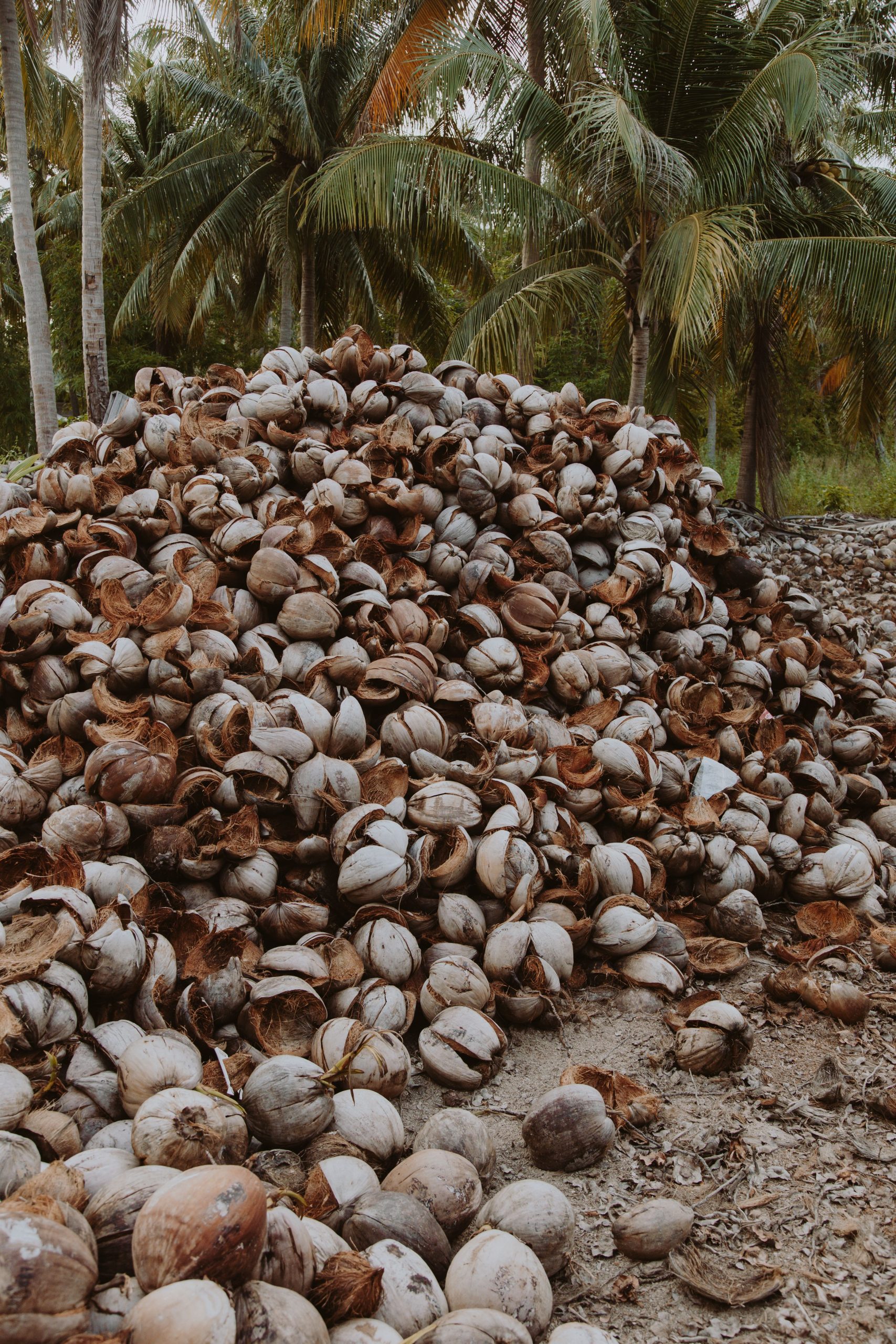
Indonesia is an archipelago where thousands of islands rise from the ocean, creating one of the world’s richest homes for coconut palms. For generations, these palms have yielded an abundance of coconut husks valued for their remarkable strength and resilience. Yet because they belong to the earth, these natural fibers still carry the inherent character of nature: they are beautifully unpredictable.
THERE WAS MORE BENEATH THE SURFACE
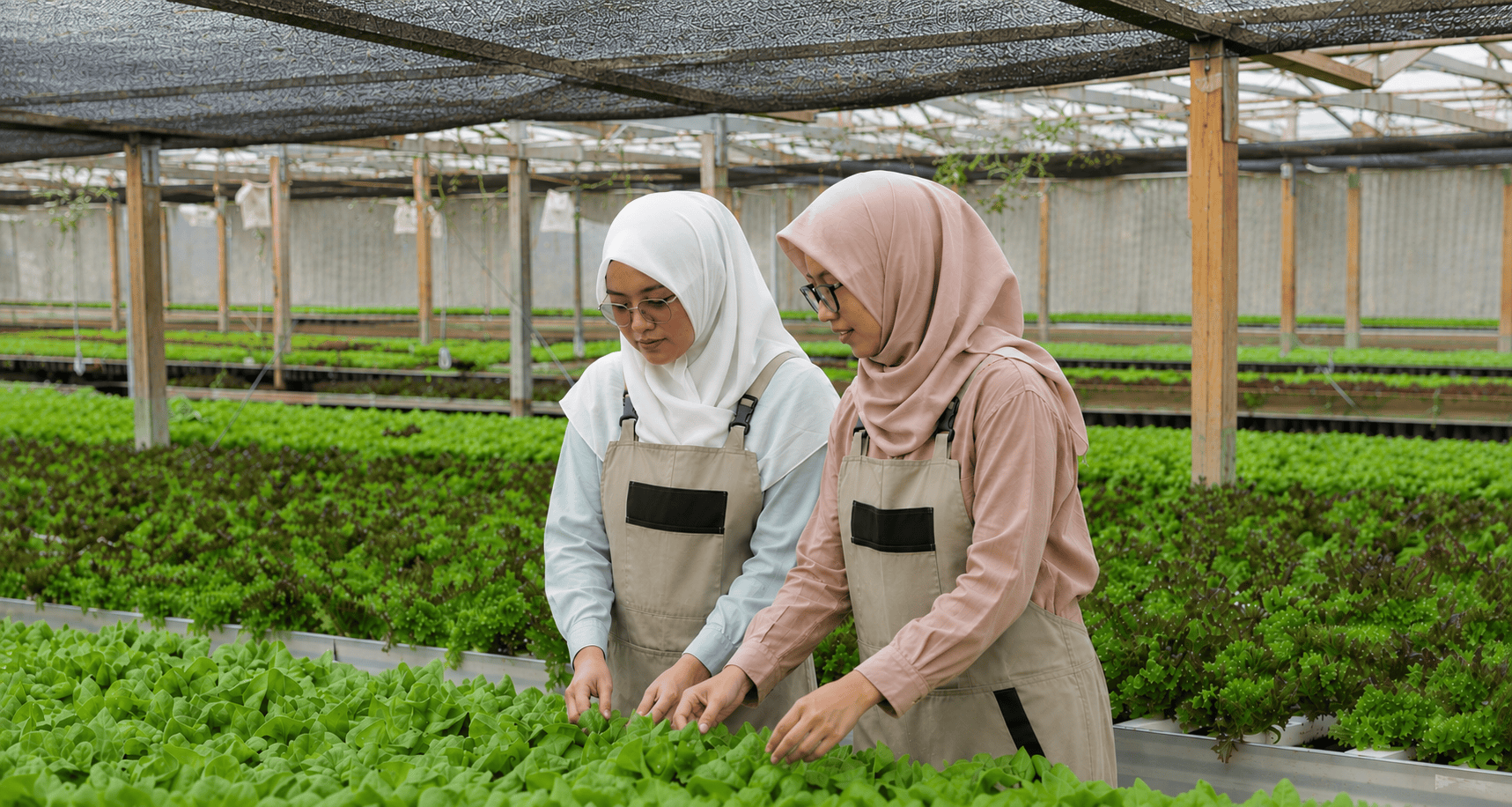
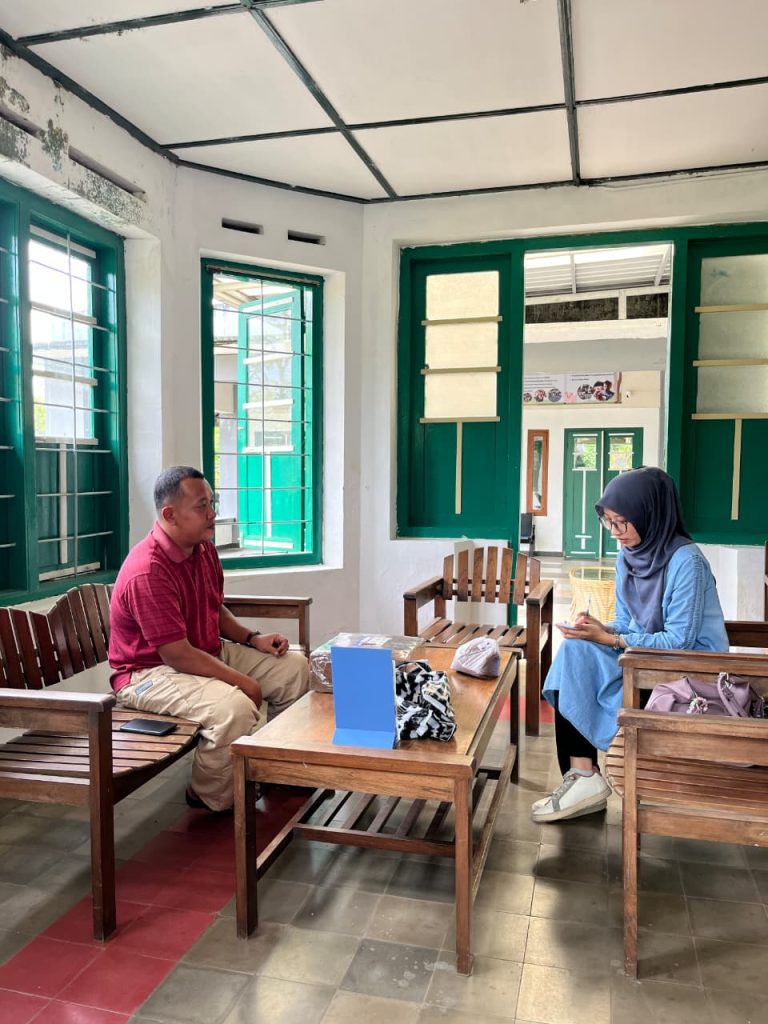
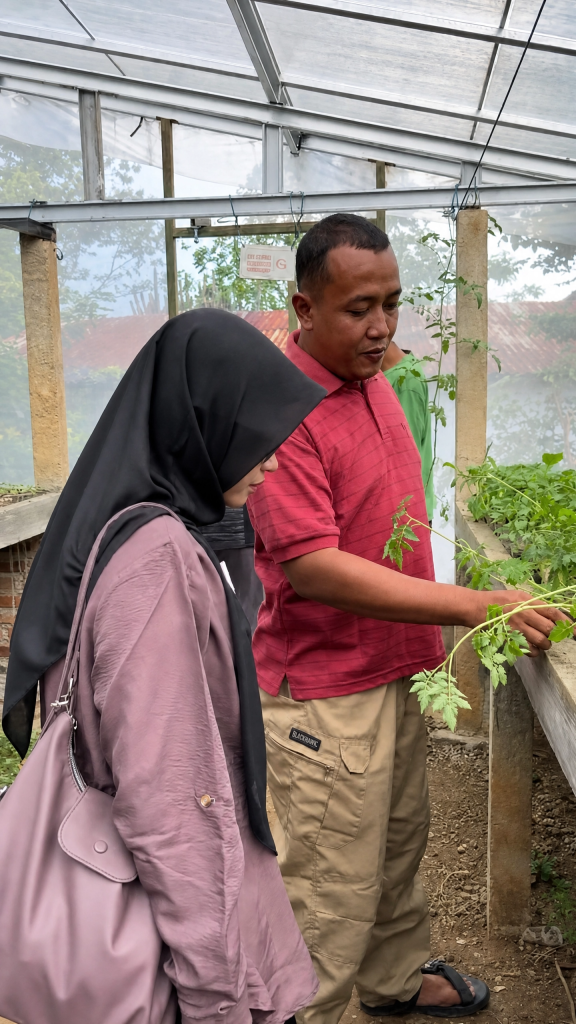
It started on the muddy floors of commercial nurseries across Java Island, where we found ourselves in conversations with growers who had spent years working closely with coconut-based growing media. They showed us a recurring reality: on paper, different batches of coir can appear perfectly aligned. The numbers match, and the specs look identical. However, as cultivation progresses, the silent variables of the harvest begin to speak. Under the exact same greenhouse settings, one batch of substrate would retain too much moisture while the next would drain too fast. These hidden physical inconsistencies within the coconut coir itself were directly disrupting their crop development.
After seeing this pattern repeated, it shifted how we think about reliability in natural resources — not only as something that can be fully captured at the stage of specification, but as something that is truly proven in daily application.
THERE WAS MORE BENEATH THE SURFACE
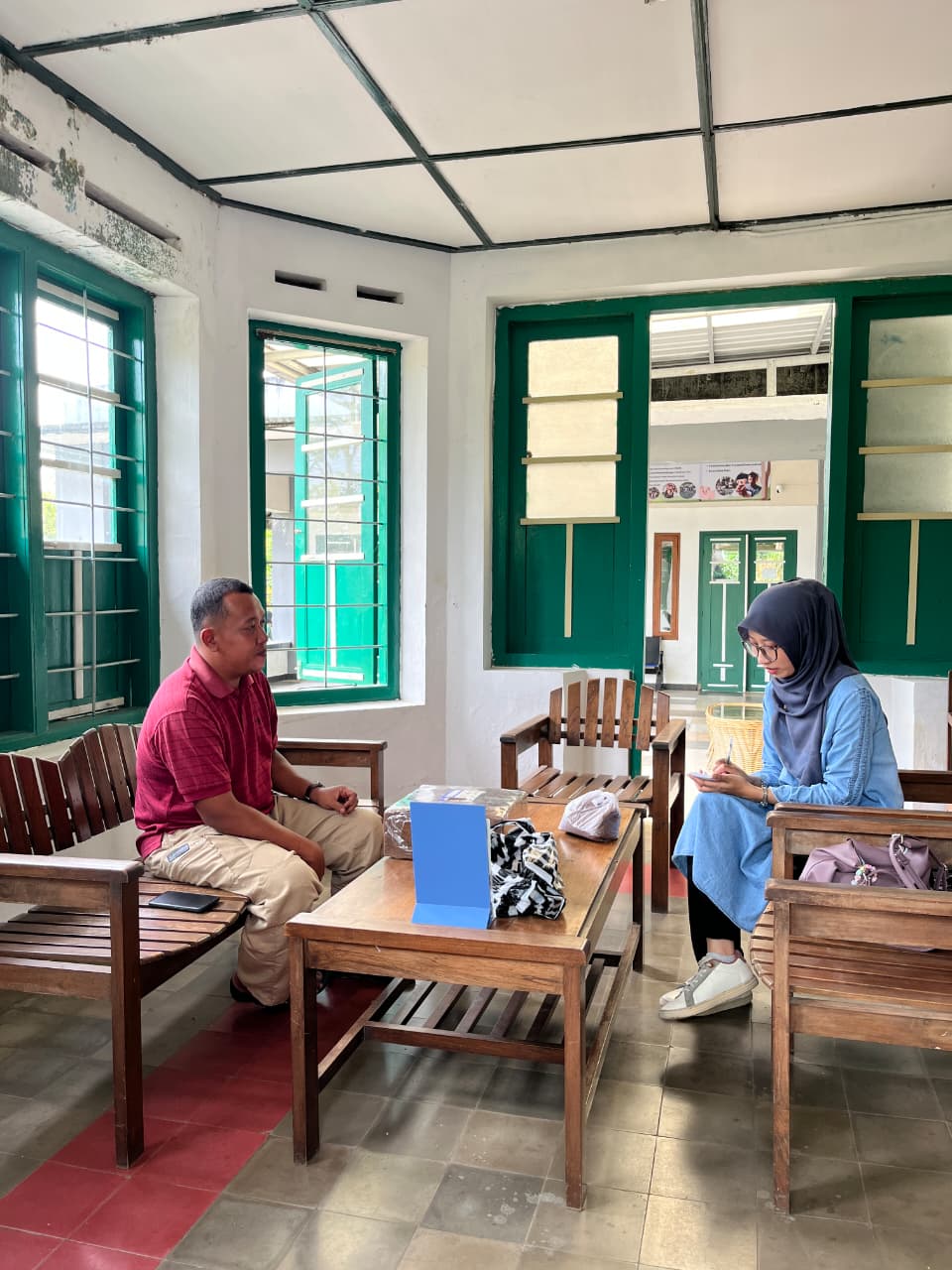
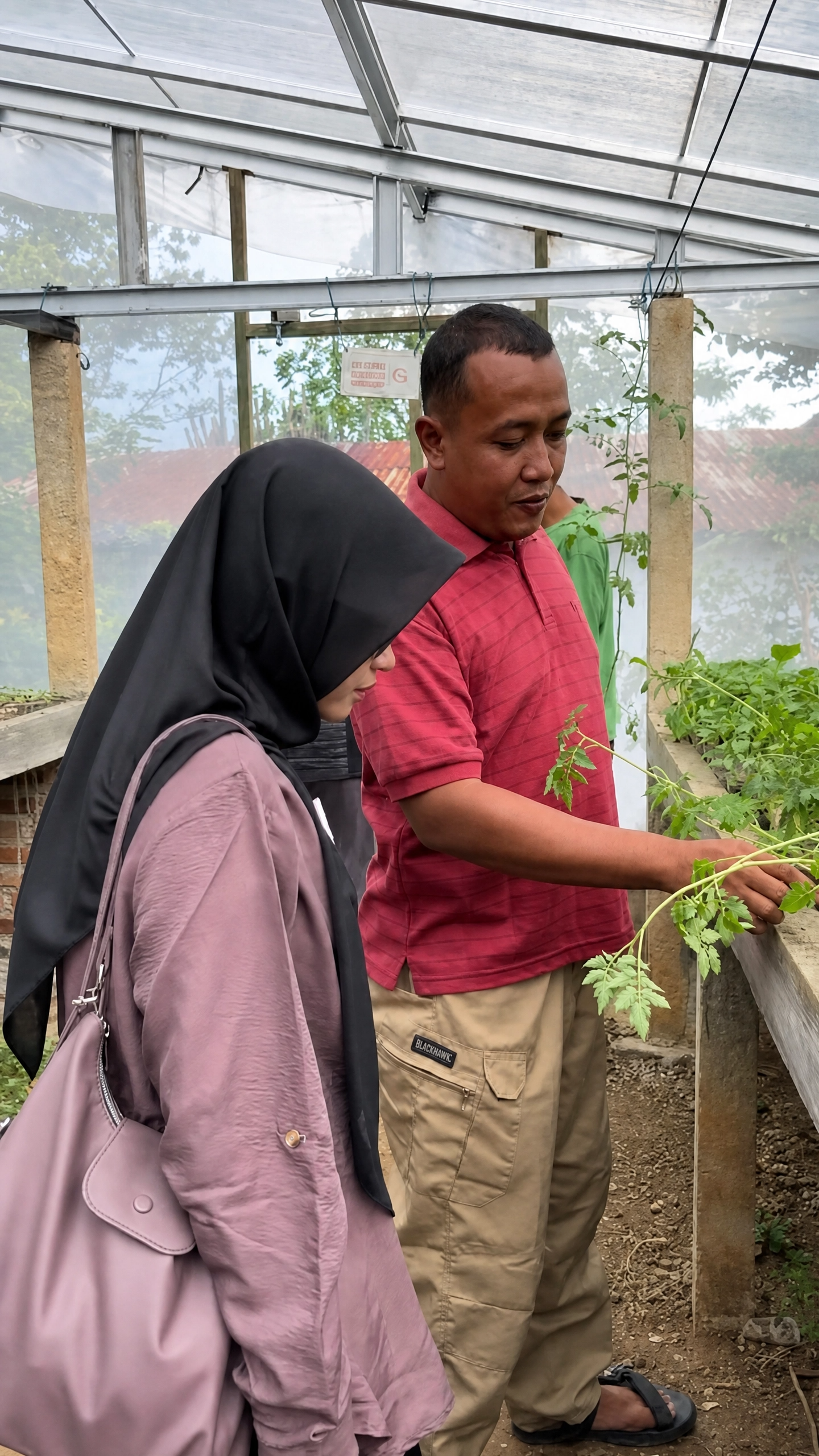
It started on the muddy floors of commercial nurseries across Java Island, where we found ourselves in conversations with growers who had spent years working closely with coconut-based growing media. They showed us a recurring reality: on paper, different batches of coir can appear perfectly aligned. The numbers match, and the specs look identical. However, as cultivation progresses, the silent variables of the harvest begin to speak. Under the exact same greenhouse settings, one batch of substrate would retain too much moisture while the next would drain too fast. These hidden physical inconsistencies within the coconut coir itself were directly disrupting their crop development.
After seeing this pattern repeated, it shifted how we think about reliability in natural resources — not only as something that can be fully captured at the stage of specification, but as something that is truly proven in daily application.
THERE WAS MORE BENEATH THE SURFACE
It started on the muddy floors of commercial nurseries across Java Island, where we found ourselves in conversations with growers who had spent years working closely with coconut-based growing media. They showed us a recurring reality: on paper, different batches of coir can appear perfectly aligned. The numbers match, and the specs look identical. However, as cultivation progresses, the silent variables of the harvest begin to speak. Under the exact same greenhouse settings, one batch of substrate would retain too much moisture while the next would drain too fast. These hidden physical inconsistencies within the coconut coir itself were directly disrupting their crop development.
After seeing this pattern repeated, it shifted how we think about reliability in natural resources — not only as something that can be fully captured at the stage of specification, but as something that is truly proven in daily application.
THE REALITY BEHIND EVERY BATCH
Driven by extensive field observations and continuous hands-on exchanges with growers, a different perspective gradually emerged. The coconut husks we source already carry characteristics shaped long before they reach our production line. Every harvest reflects a unique combination of husk maturity, regional climate, seasonal weather, and handling throughout the supply chain — all of which leave subtle fingerprints on the fiber.
Unlike contamination, which can be detected, or damage, which can be seen, the kind of variation we are describing leaves no visible trace. Instead, those differences reveal themselves through the physical behavior, in how it holds water under pressure, how moisture is released under heat, and how the fiber responds when a root system begins to depend on it.
The more we examined these realities, the clearer our direction became. Consistency could never be achieved through inspection alone; it had to be built into the process from the very beginning, starting with the raw materials we evaluate. Yet demanding complete uniform quality at this stage was not the answer. Nature does not offer that kind of guarantee, and pursuing it would often mean discarding fibers that, in the right hands and through the right process, still hold real potential.
REDEFINING THE STANDARD OF COCO COIR
This understanding continues to shape the way we work today. Every decision we make is centered on preserving the calibrated properties of every substrate we produce. From the way raw fibers are selected to how they are sorted, washed, graded, and configured, every step is designed to protect the qualities that matter most when the substrate is finally put to work.
For us, success has never been measured by what leaves our facilities. It is measured by how confidently our partners can rely on our materials once they reach their customers, growers, or production systems. That is why every product carrying the Arunika Natura name represents more than a shipment. It represents a standard shaped by real cultivation, strengthened through continuous refinement, and carried with full accountability to every partner we serve.
Thank you for being here and for taking the time to learn about what we do. We believe every meaningful partnership begins with a shared understanding of where we come from and what we stand for. Now that you know ours, we’d love to know yours.
Mutiara & Salwa
Founders of Arunika Natura International