Coco Fiber Supplier: Sourcing, Specifications, Support
- Tailored specifications. Our technical team can adjust specifications, including processing parameters, to match your application.
- Raw material control. We work directly with local husk suppliers. Husks are sorted at the source, so only qualified material enters production.
- Consistent supply. Husks come from multiple farming collectives across Indonesia, so supply does not depend on a single region.
- Support after arrival. Our team stays available for implementation or technical questions once your shipment arrives.
When you request a quote, tell us your application, required specifications, and estimated volume. Our team will then recommend the right option.
From Bale to Application
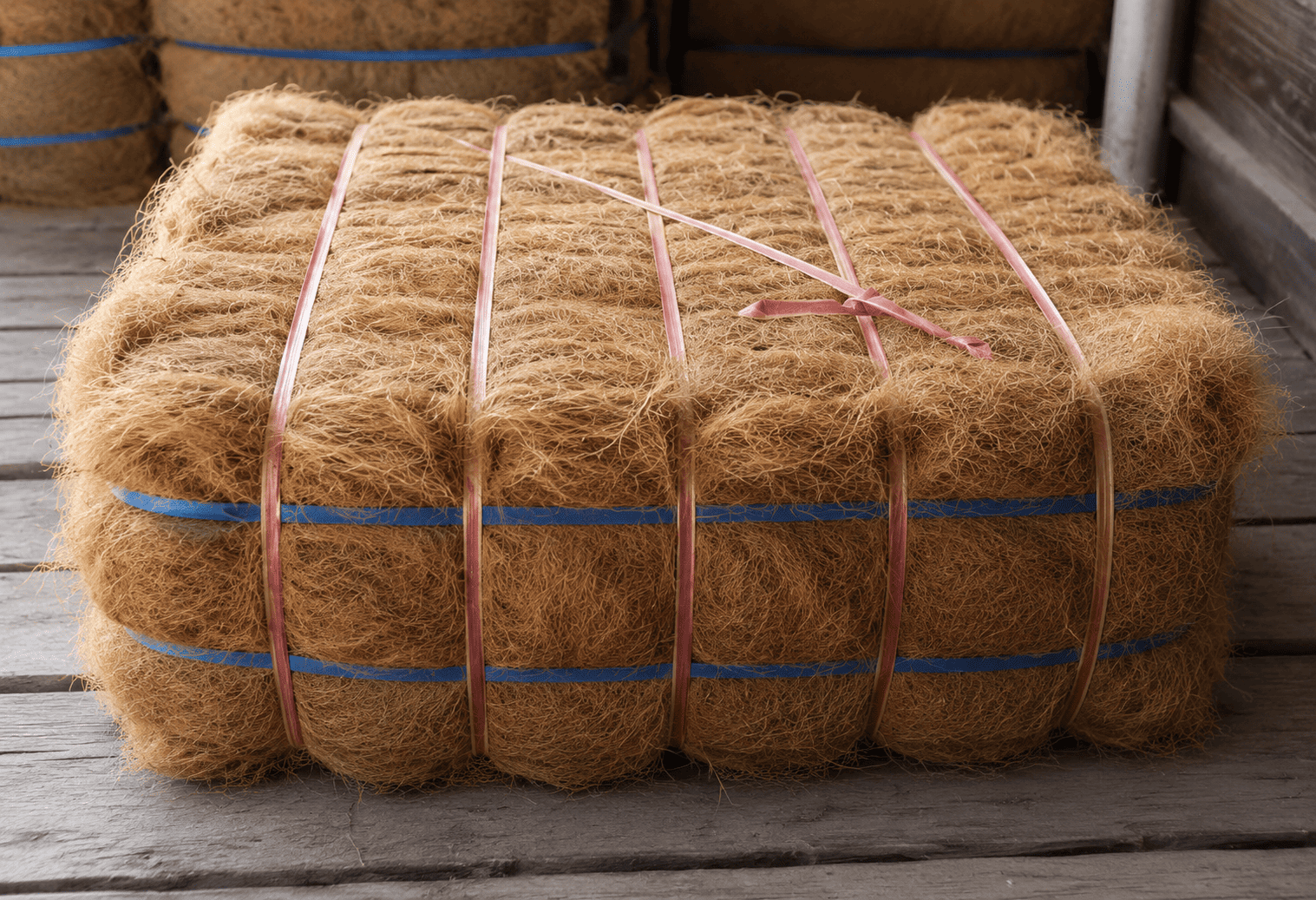
Customers typically follow a similar path with compressed bales:
- Open the bale to loosen the compressed fiber.
- Clean or card the fiber if your process needs an even, open structure.
- Process it by needle-punching, spinning, or latex bonding for manufactured products, or apply it directly in the field for uses such as erosion control.
Coco Fiber FAQ
How does coco fiber differ from coco bristle?
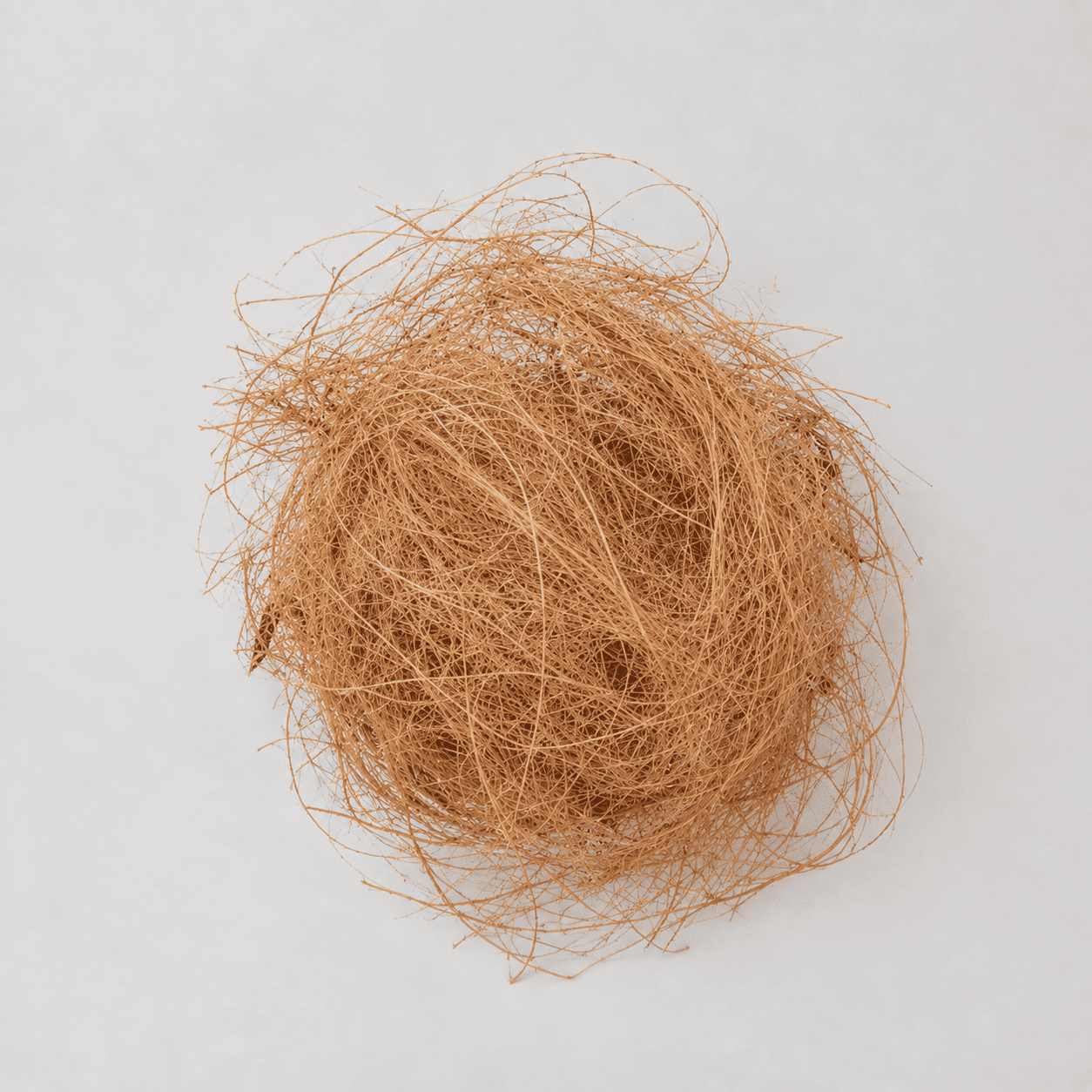
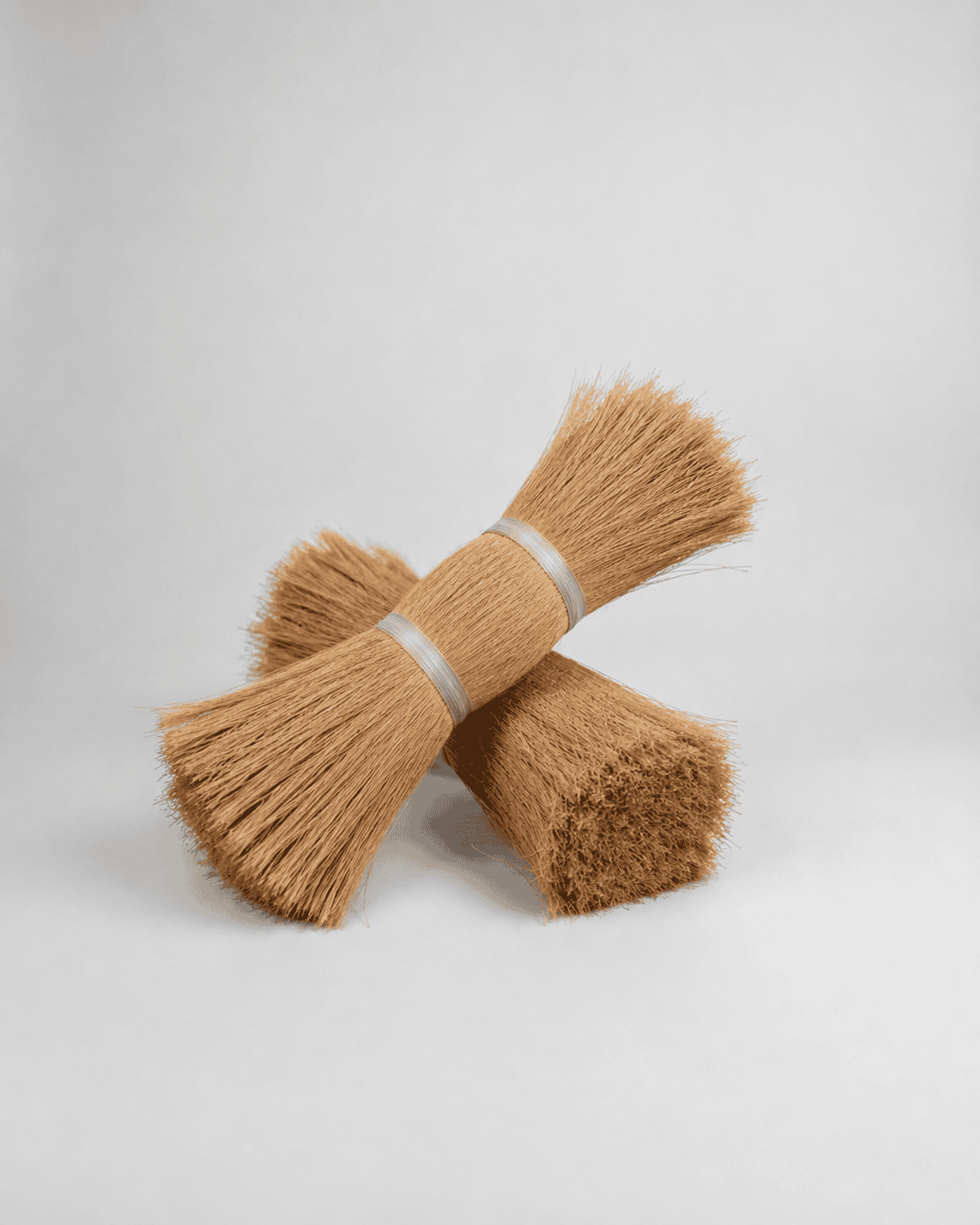
Both come from coconut husk but are supplied differently. The fiber comes as compressed bales, while Coco Bristle comes as tied bundles of longer 25–30 cm fibers, made for brushes, brooms, and mats.
Is coco fiber biodegradable?
Yes. It is a natural plant fiber extracted from coconut husks, a by-product of coconut harvesting, so it breaks down naturally at the end of its life.
How should I store coco fiber bales?
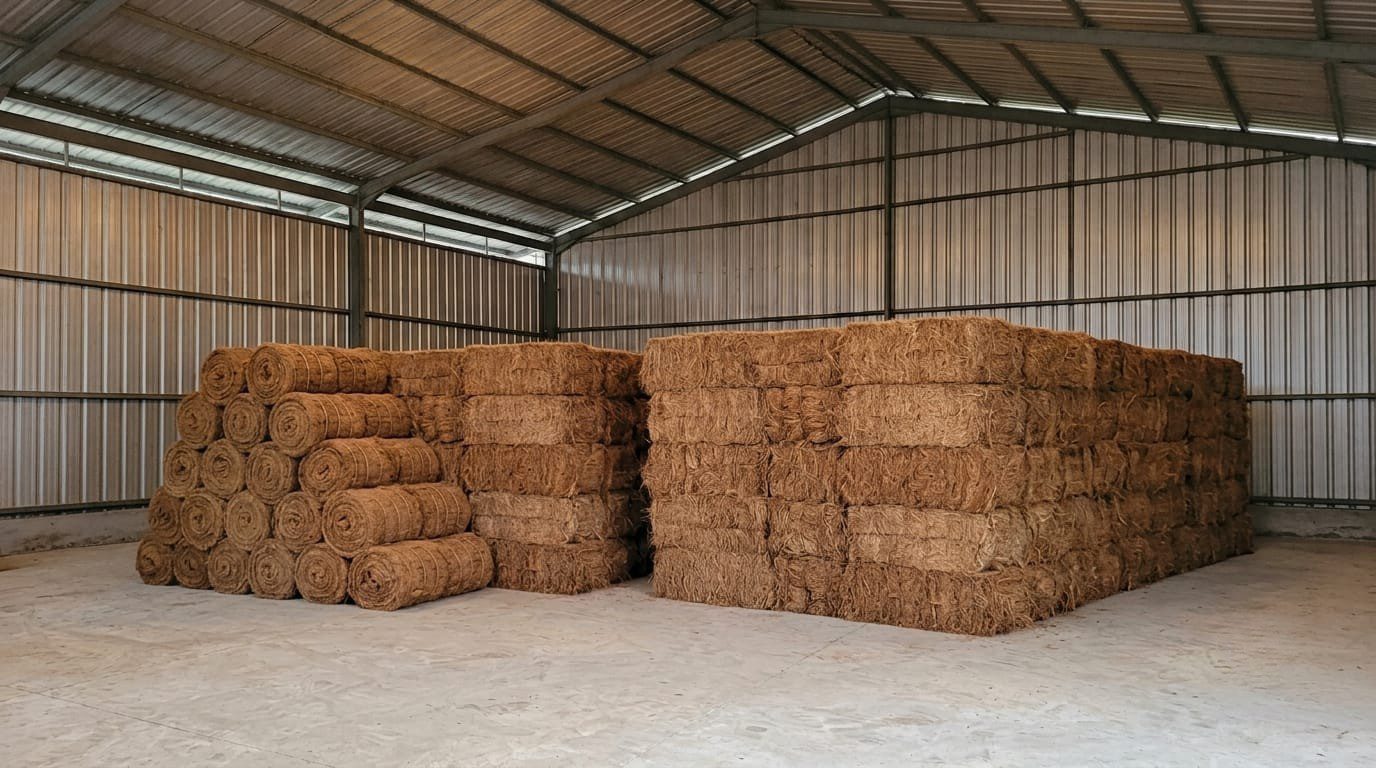
Store bales in a dry, ventilated area, raised off the ground. Fiber that absorbs moisture can develop mold, so keep the bales covered until use.